 The green lifestyle is very popular right now. A lot of people make an effort to drive low-emissions vehicles, fill up stainless steel bottles of water instead of using plastic bottles and try to recycle on a daily basis. But green living extends farther than these popular notions. Green living means that you don’t bring any harsh chemicals into the home that may cause illness. Some chemicals in household cleaners have even been known to cause cancer. But you can take these chemicals out of your home, live a healthier life and make a positive impact on the environment.
Take mold remediation for example. Mold is a common problem in households, especially in humid and wet environments. Mold is natural. The spores can be found in every corner of the world and cover almost everything that may see the light of day. These spores are like bacteria and cannot be avoided.
The spores can become a problem when they settle in the right kind of conditions inside your home. When the spores land in a damp, dark and warm place they can begin to multiply. The mold feeds off the moisture and spreads quickly. Mold can cause people to feel ill, but the term toxic mold kind of goes over the line.
A lot of people may want to scare Continue reading →
This entry was posted in Mold & Mildew on January, 08, 2014
 The foundation of your home is buried. You can see the foundation by going into the basement and looking at the concrete walls from the inside, but it still doesn’t give you a clear view of the whole foundation. The concrete in foundations, especially foundations found in older homes, can crack under the immense pressure of the building and the ground around it. Cracked foundations can cause all sorts of the problems that you may not have thought were due to a compromised foundation. If you find too many of these foundational problem symptoms, then you may want to call a professional to appraise the foundation of your home. Foundation repairs can save your home from a premature demise.
Symptoms of a faulty foundation:
• Doors that will not open or close smoothly or properly. With a shifting foundation, the house can settle which can bring down the door jams just a few millimeters. This will be enough to make opening a door difficult as it will drag on the round or not fit into the sill.
• Cracks on the walls near doors and windows. If the house settles quickly, then the walls will crack at weak spots near openings.
• Windows that become difficult to open or close. Much like the stuck door, the sill will move but Continue reading →
This entry was posted in Structural Damage on January, 06, 2014
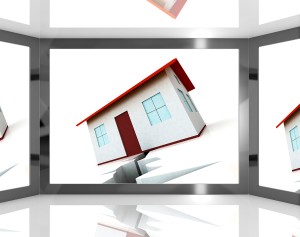
A compromised foundation can lead to all sorts of problems for your home. It can actually have the house bow, where the middle of the home sags like an 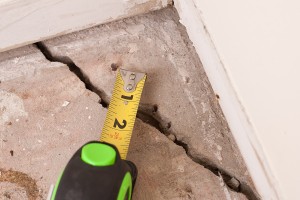 enlarged belly. The home can start to lean like that tower in Italy. In very rare and extreme cases, it can lead to structural failure and collapse. Since the foundation literally holds the building up, it is one of the most important parts of your home to keep healthy. You should know exactly what you are up against if you decide to have a DIY foundation repair done.
• The foundation is not all there is. The walls of your basement are concrete and you might have thought that those walls themselves hold up the home, but you’d be wrong. There is something underneath the walls called the footing. The footing is a collection of bricks and mortar that disperse the load of the entire house into the ground.
• Filling the gaps underneath the foundation will not help the cause. The bottom of the foundation is set with a matrix of giant steel beams that looks a lot like a waffle. The load is dispersed into the foundation with this matrix, which helps disperse the weight of the home into the ground. Filling in more dirt underneath the foundation will Continue reading →
This entry was posted in Uncategorized on January, 03, 2014
 Most people think that buildings are permanent. They believe that the home is just stuck in the ground and that is the way it is going to be forever. The fact of the matter is that a home is fluid and moving. You may have noticed some cracks in your walls from the house as it settles into the ground. Homes can settle for decades; creaking and cracking the entire time.
In fact, the ground underneath the home is not stable. Soil constantly moves like a really slow motion wave in the water. It can take decades or centuries to actually see the movement, but the fact still remains – the ground underneath your feet and your home is constantly moving. This is especially true for wet soil with a lot of groundwater influence.
This is particularly bad news for one part of the home. The foundation is literally stuck into this slow motion wave and is susceptible to its whims, undertows and tidal waves. This means that the concrete slabs that make of the basement are being tossed around, day and night. This can obviously result in cracks and the degradation of the foundation.
A simple way to see if your foundation is under a lot of stress is to take a stroll around the house. If the earth Continue reading →
This entry was posted in Structural Damage on January, 01, 2014
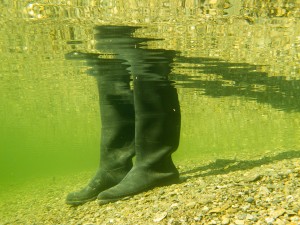
That moment of realization is the worst part. Perhaps you flip on the lights to go put in a load of laundry, or perhaps your kids have scurried to the basement door to go play, only to scream at what they find. An extensively flooded basement is a nightmare for a homeowner. Water, the very thing that is responsible for destroying so many homes, has infiltrated your foundation. The water just sits there, laughing at you.
The seriousness of flooded basements won’t set in for a while. The total cost of the damages can exceed well over $10,000. But the good news is that you can mitigate the damage by dealing with the water the right way, right off the bat. The more quickly you confront the monster in your basement, the more money you will save. There are plenty of steps to take right at the outset. Some of the steps are common sense, but other steps are not so well known. By following these guidelines, you can make the most out of a damp situation.
• Keep your kids and pets away from the flooded basement. There are all sorts of dangers associated with water in the basement, which are discussed later. It may be a good idea to send the kids upstairs, put the pets outside Continue reading →
This entry was posted in Water Damage on December, 30, 2013
 Basement waterproofing is something that every home should have, especially older homes. A flooded basement can cause damage to the foundation of your home, destroy what you have stored downstairs, pose a health threat to you and your family, and degrade the efficacy of your frame to hold your house up. But if you think DIY basement waterproofing is an easy task that can be done with some epoxy and a shovel, think again.
Professionals can stop the root of the problem. They can identify why the basement is flooding and attack the source. An amateur will probably misdiagnose the problem, try to fix the wrong thing and only discover the error during the next flood. This can lead to costly losses and repairs that mount up as the amateur plays a hit-or-miss game of waterproofing. Here are some of the things you’d be up against if you decided to waterproof your own basement:
• The cracks in the basement walls are not the root of the problem. If you have water seeping in through cracks in the concrete, then it is a good idea to epoxy the crack to stop the water, but it is not the root cause of flooding. The pressure put on the basement by the ground around the home can tear a hole in the Continue reading →
This entry was posted in Water Damage on December, 27, 2013
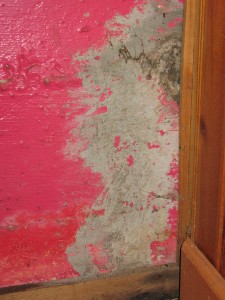 Nobody wants mold in their home. The very beginning of a mold infestation is a bland but uncomfortable smell. This smell hangs in the air and anyone that enters your home can smell it. No matter how much cleaning you do, if you don’t address the cause of the mold, then the smell will not come out. Nobody wants to be known for their smelly house.
Once mold takes a hold of your home, it presents even more undesirable effects. Some people are violently allergic to mold and will become sick if they come into your home for more than a few minutes. This violent reaction has led to the term “toxic mold.” Certain types of mold can cause mild to severe allergic reactions in just about anybody, including pets.
But the worst effect mold has on the home is the compromised frame. When mold really sinks its teeth into the home, especially into the wooden frame, the mold can eat the wood. This compromises the wood’s ability to hold the house up and the home might begin to bow. It may be noticed with a slanted kitchen floor, or it can be seen in cracks along the walls.
The best way to deal with mold before you have to call in a professional mold remediation company is to prevent Continue reading →
This entry was posted in Mold & Mildew on December, 25, 2013
 Everybody likes to store their keepsakes in the basement; those nostalgic items that aren’t of modern use but hit you with all sorts of memories. A lot of people keep vinyl records in the basement or old pictures. Unfortunately, these incredibly valuable keepsakes are the most susceptible to mold and bacteria, which is a common problem in a mildew ridden basement. Mold and bacteria can get inside of materials and eat them from the inside. The keepsake becomes compromised and is not a keepsake anymore.
The main culprit causing this memory-destroying malady is water. Mold and bacteria need water to thrive, like most living things. If you remove the water then you starve the mold and bacteria. You also save your keepsakes from an early demise.
The easiest way to remove the water from your basement is to use a dehumidifier. Run this machine when it is especially humid, in the springtime or after a storm. You should notice a considerable decrease in the humidity of the basement. If the humidity is still high, the basement still smells like mildew and your keepsakes keep disintegrating, then it may be a bigger problem. Water may be pouring into your home.
Cracks in the basement walls can actually have the moisture from the ground seep through. This can happen at any time Continue reading →
This entry was posted in Mold & Mildew on December, 23, 2013
 Spores of mold are everywhere. You may have heard something similar about bacteria; how bacteria are on every surface in the world, including inside your body. Well the same holds true for mold spores. They float around the environment, and, like bacteria, are impossible to get rid of. So getting rid of mold is more about destroying its habitat than destroying the spores.
The at-home remedies for mold remediation, which is the professional term for mold elimination, can actually promote more mold growth. Most of the do-it-yourself solutions actually use a water based solution to kill the mold. Sure, the water is infused with tea tee oil, grapefruit seed extract or household cleaners, but the fact remains that the solution is water based. When you spray to kill the mold, the solution itself stays behind to foster an ideal environment for more mold.
Mold needs moisture to thrive. If you use at-home sprays and do not properly dry the area afterward, then you might produce more mold once you are done trying to kill the mold. And most household cleaners do no kill all mold spores. These homemade mold removal remedies only kill a certain percentage of mold. This leaves behind the strongest mold spores that will use the water based solution to multiply. You’ve essentially created a super strain Continue reading →
This entry was posted in Mold & Mildew on December, 20, 2013
 Water is a powerful conductor of electricity. Water is also nature’s best source of destruction. When it happens, the hazards caused by floods in the basement include electrocution hazard and can also even cause damaging gas leaks. This can turn your safe home into an obstacle course of danger. If you notice that your basement has flooded, then it is a good idea to take some precautionary steps before the cleanup begins.
You should not step into any amount of water in the basement without doing a little scouting first. If the water is up and over the electrical outlets on the walls then the electricity needs to be shut off from outside the house. You can call the electrical company who will send someone over to disconnect the power from the grid.
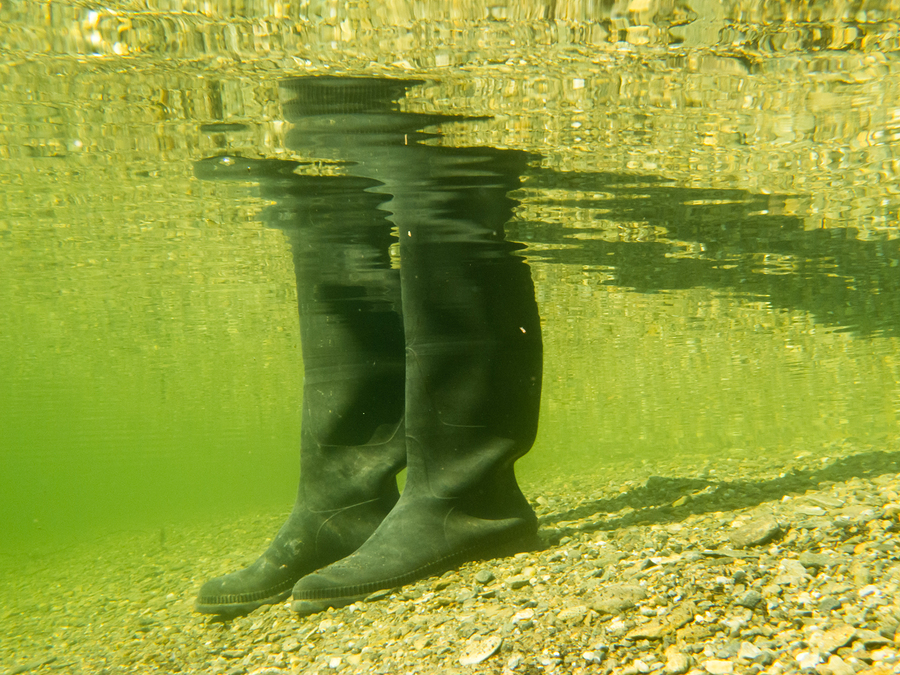
If the water is not above the electrical outlets, then you can examine if the path to the fuse box is clear. If it is not, you can jury-rig a bridge there using wood panels, plastic chairs, or anything that isn’t made of metal. It is also a good idea to where rubber boots or waders.
Opening the fuse box and turning off the power with the wooden end of a broom can protect you even further. It may be a little difficult to do all those Continue reading →
This entry was posted in Water Damage on December, 18, 2013

 The green lifestyle is very popular right now. A lot of people make an effort to drive low-emissions vehicles, fill up stainless steel bottles of water instead of using plastic bottles and try to recycle on a daily basis. But green living extends farther than these popular notions. Green living means that you don’t bring any harsh chemicals into the home that may cause illness. Some chemicals in household cleaners have even been known to cause cancer. But you can take these chemicals out of your home, live a healthier life and make a positive impact on the environment.