 Epoxy is nasty stuff. This industrial material smells bad, comes with a variety of different warning labels and needs to be used properly. You’ve probably seen epoxy at the hardware store and you may have even used it on different projects.
Toy modeling enthusiasts mix a mild epoxy to glue their models together. But the epoxy used for to repair your home’s foundation is the real deal. If used properly, it can stop leaky basement walls, keep the foundation intact and prevent future flooding.
The Product
Epoxy comes as two separate materials. You’ll see two tubes sitting in a package side-by-side. One of the tubes is the resin that flows into cracks easily. The other tube is the hardener, which hardens the resin in a short period of time. But the hardener will only harden when in contact with the resin. Until then, it is just a toxic industrial liquid.
Precautions
Anyone who has used epoxy knows that it smells terrible. But the smell is only half the worry. What you are inhaling is actually toxic, so it is a good idea to be in a well-ventilated area. You can use a painter’s mask or breathing mask as well. Rubber gloves can prevent the epoxy fusing to your skin, which comes with a very uncomfortable removal process. Protective eyewear Continue reading →
This entry was posted in Structural Damage on December, 16, 2013
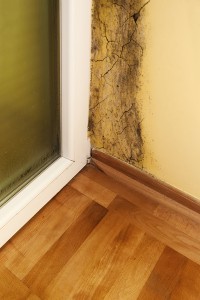 There has been a lot of buzz lately about household molds. The media throws around the term “toxic mold” and the term has caught on. It sounds fearful, “toxic mold,” but the fact of the matter is that it is the media’s job to stir up controversy. Most people don’t need an inspection or testing for toxic mold. If you can see it, smell it and even taste it, then you have mold. It is as simple as that. Now, if you or your family is getting sick for no apparent reason, then you should have your house tested for toxic mold.
The problem with noticing mold is that it is incredibly hard to get rid of once it takes a hold of your home. The first step in removing mold from your home is to not touch it; because once you touch it then you cannot discover the cause of the mold. The second step is to do a little detective work and find out how the mold has gotten into the house.
Mold needs moisture and warmth and darkness to flourish. Removing the source of moisture will protect against future infestations of mold. This is important because removing the mold won’t serve your home any good if the mold can just come back.
Once you’ve taken care of Continue reading →
This entry was posted in Uncategorized on December, 13, 2013
 We’ve all the heard the saying that water will always flow down the path of least resistance. All too often, we ignore these clichés. Maybe it is because we get bombarded by them, or maybe we just say them without knowing the real reasons behind them. The fact is that this cliché can actually save you if you are a homeowner.
Owning a home can be the fulfillment of a lifelong dream. You get the white picket fence, a little bit of room to grill some steaks out in the backyard and all the privacy you’ve desired. But there is a downside. You realize that there is so much work – and worrying – to about your new investment. Because that is what a house really is: an investment.
Now let’s revisit that cliché. Water does really flow down the path of least resistance. This means that we can control the flow of water, which really helps us in the springtime. That’s when the threat of flooding rears its ugly head and this is when the effort to waterproof your house plus basic basement waterproofing can be helpful. After all, flooded basements will literally eat away at your home’s internal structure, which is a shame, as peoples’ homes are usually the largest investments they make during their lifetimes.
Water Continue reading →
This entry was posted in Water Damage on December, 11, 2013
 While there is no real way to put a price on your time, it is still valuable nonetheless. But there is a way to put a price tag on the expenses that arise from flooded basements. And while the expenses are real and often steep, a flooded basement will also cost you a ton in time. If this is the first time you’ve dealt with flooding, there’s a good chance you’ll work really hard to salvage certain things to no avail.
The first thing that most people want to do when they see a basement full of water is to try and salvage the area. Most people bust out the shop vacuum and dehumidifier, taking turns with their spouse and spending the whole weekend trying to get that basement dry. But by now the mold has already begun to set in. You won’t be able to see it in the carpet, but if you pick up a piece of furniture in the basement you likely see ominous mold setting in.
With groundwater, you want to try to evacuate the floodwaters within 24 hours. If you fail to meet that time period, then your whole basement will need to be gutted because the proliferation of mold has already gotten so out of control that it could become a safety hazard to Continue reading →
 The basement sits at the bottom of the house and literally serves as the foundation of your home. Since the basement is submerged underground, its walls are exposed to constant pressure from the elements. Moving earth, moisture, roots, and even critters can have a serious impact on the integrity of your bottom floor.
But the most dreaded threat of all is water. Water can wreak havoc on a structure, no matter how large or small, in a variety of different ways. And there is plenty of water in the ground surrounding your home.
• Moisture can seep into the concrete of your basement’s walls. Once inside the walls, the water expands and contracts with the changing of the seasons. It has the ability to put cracks into the walls of your basement.
• Moisture causes mold and bacteria. Mold and bacteria are living things and they need the proper environment to thrive. A damp and dark place is ideal. Water getting into your basement, no matter how little, can cause mold and bacteria to thrive. This can affect the health of your home and family.
• Certain molds and bacteria cause rot. Once the water gets into your basement, it can get into the framing of your house. Even especially moist air can cause the wood frame of your home Continue reading →
This entry was posted in Water Damage on December, 06, 2013
 To understand why basement waterproofing is a good idea for any building with a subterranean basement, you need to know a little bit about fluid dynamics. Hydrostatic pressure is the main culprit when it comes to a leaky basement. In fact, hydrostatic pressure may result in rotting floorboards, mold, bacteria, a cracked foundation or flooded basement. There are a lot more causes to home foundation problems, but first, it is a good idea to understand what, exactly, the home is built on.
The ground around the house isn’t just dirt, which holds a ton of moisture. Dirt and rocks are at the whim of the water that it is suspended in. The water that suspends the ground around the home is called the water table. The water table is the line at which the water ends, much like where the water ends in your glass. In this case, the ice comes up above the water in your glass, creating a solid top. But the foundation of your home is like the walls of a glass. It holds back both the ice and water.
The submerged basement walls are in direct contact with the water table and the dirt. The builders of your home constructed your basement walls powerful enough to hold back the earth and ground water. But over time, Continue reading →
This entry was posted in Water Damage on December, 04, 2013
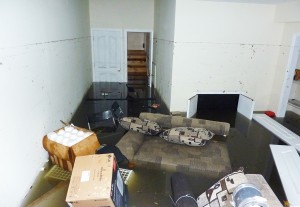 Flooded basements are a hazard in so many different ways. Sometimes it seems like you need a military barricade to keep the water out, or that the flooding is inevitable. If flooding is a hazard where you live, then it may be a good idea to learn how to properly clean up after an event. Knowing how to clean up a submerged basement can add years to the life of your home, and it may just save your life in the process.
The first mistake people make when cleaning up after a flood, is that they go charging right into the water. This is the last thing anyone should want to do. Most houses keep the fuse box in the basement. That means you actually have to go into the basement in order to turn off the electricity. Everybody knows what happens when you have electrical outlets contacting water, you risk getting zapped, which could be fatal.
If there are only a few inches of water, you may want to use a fiberglass ladder, some scrap wood or a plastic stool to traverse the lagoon to the electrical box. But if your basement is under significant water and the outlets are covered, then it is a serious electrocution hazard. At this point, it may be a good idea to Continue reading →
This entry was posted in Water Damage on December, 02, 2013
 Many DIY enthusiasts spend their weekends caulking bathroom tiles, insulating breezy basements, or weather stripping the house for winter, and all the while neglecting to check your foundation. The foundation is one of the most important parts of the home and its health is directly tied to the longevity of the house.
From the day it was built, it begins settling. A massive amount of weight shifts every time a beam weakens, a bolt settles, or the foundation cracks. This natural aging can wreak havoc on your home. It is not immediately or obviously catastrophic, but it is slow, chronic and, oftentimes, goes unnoticed until it is too late.
Checking out the foundation is no easy task. You might have to get a bit dirty as you crawl around the house. The concrete on the outside of the house should be smooth. It may be a good idea to check just after a rainstorm because the small cracks fill with moisture and appear as dark spots on the wall. You can take picture to remember where you saw these little cracks.
Cracks can also exist on the inside. The groundwater can push through the dirt and into the subterranean parts of your basement wall. A flashlight can provide some intense light so that you can see the cracks clearly. Once Continue reading →
This entry was posted in Structural Damage on November, 29, 2013
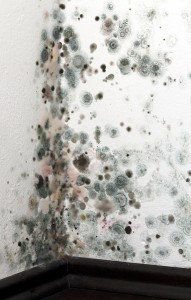 The term “toxic molds” get tossed around quite a bit, for good reason. Certain strains of mold that proliferate in building materials when they get warm and wet, such as Strachybotrys, for example, can cause illness in humans and animals by triggering an autoimmune reaction, where your own body attacks itself. You probably have some sort of allergic reaction to something, to a mosquito bite or hay fever. These allergic reactions are examples of mild autoimmune responses, but many molds can present far more dangerous symptoms.
The simple fact is that mold in your home can make you ill. The home should be a retreat- a sanctuary where you can escape the outside world and anything that ails you. So it is a bit of a nightmare when mold inside your home is making you sick. It can rob you of the feeling of “home” altogether.
Homes that are in humid areas of the country are at especially high risk of developing these molds, but that said, it should be noted that mold exists everywhere. So while homes built in the middle of the deserts in the Southwest United States are at a lower risk of toxic mold contamination, the danger is still not eliminated entirely.
Symptoms of Mold Infestation In Humans
The Institute of Medicine found that mold Continue reading →
This entry was posted in Mold & Mildew on November, 27, 2013
 Mold in the home can cause all sorts of trouble. The mold can cause your family to fall ill, due to allergic reactions. The mold can also get into the wood inside your home’s frame and cause rot. Rotting frames must be replaced at a very high out-of-pocket cost. Mold is no good, but there are certain things that everyone can do in order to mold proof their home.
Most hardware stores sell moisture meters., devices that actually read the amount of humidity in the air. Mold needs moisture to survive, grow and thrive. So if the moisture is kept at a minimum, then you can kill the mold before it starts. The Environmental Protection Agency recommends a humidity of between 30% and 60%. If the humidity is well over 60%, than it may be time to inspect your own home as a mold infestation may have taken hold, even if you’ve yet to see the growth or experience an adverse reaction.
Problem areas in your home will present themselves in moist locations, where mold likes to live. Be on the lookout for condensation, wet spots on the floor, or leaky pipes; these are the proverbial smoking guns of moisture issues around the house. Condensation happens when warm, wet air touches something cool. The moisture comes out of the air Continue reading →
This entry was posted in Mold & Mildew on November, 25, 2013

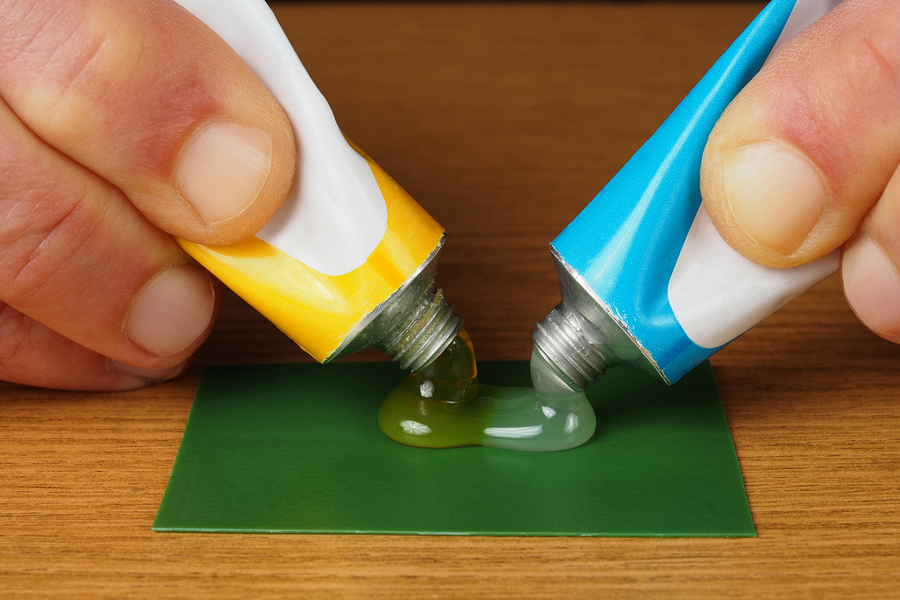 Epoxy is nasty stuff. This industrial material smells bad, comes with a variety of different warning labels and needs to be used properly. You’ve probably seen epoxy at the hardware store and you may have even used it on different projects.