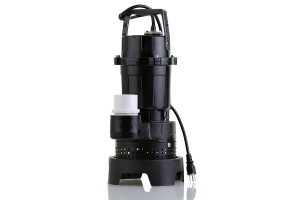
 The basement drain has been a standard feature in virtually every basement for a very long time. They are a last line of defense against water getting into your house, but your entire floor would likely have to get wet before your drain will carry anything away. As such, even if your basement drain is working properly, it may be a good idea to install a sump pump, assuming your house doesn’t already have one. Continue reading →
This entry was posted in Water Damage on September, 18, 2015
 Generally speaking, we like to think of the ground as something solid and stable, at least so long as an earthquake isn’t shaking things to pieces or a volcano isn’t firing tons of ash and rock into the air. However, the dirt beneath our feet is constantly moving around thanks to wind, water, and daily changes in temperature. Continue reading →
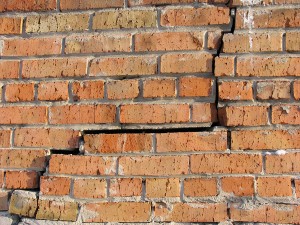 One of AA Action Waterproofing’s areas of expertise is concrete repair or replacement. It’s a natural part of our job since many foundations are made of concrete. But to some, it’s still quite surprising that a substance that looks and feels rock hard could be vulnerable to defect. The truth of the matter is that concrete is a tough, durable construction material, which is one of the reasons that it’s still in use over 100 years after its invention. But concrete, like anything else in this world, can be a victim of time and the elements, usually both, since concrete is primarily made to withstand the rigors of the outdoors. Here are a few of the reasons why concrete might need to be repaired or replaced. Continue reading →
This entry was posted in Foundation Repair on September, 17, 2015
 Having a garden around your home takes work, but the results always bring out the best in a house. If you have a green thumb, this can be an especially gratifying activity, but in raising garden around the house, you should take care not to have the plants set too close to the home itself. It may not seem like it, but over the years, plants can have a negative effect on the foundation of your home, eventually leading to possible water damage. Continue reading →
This entry was posted in Water Damage on September, 16, 2015
 In most modern homes, the insulation material of choice is fiberglass. The layers upon layers of tiny mineral fibers are great at trapping air to create a barrier that keeps cold air in and warm air out – or vice versa. But as far as moisture and mold control go, fiberglass leaves something to be desired. Continue reading →
 For the most part, materials expand when they get hot and shrink when they get cold. However, water is different, at least when it’s allowed to cool slowly, and the reason for this is known as the hydrogen bond. It’s also one reason why water can cause so much damage. Continue reading →
This entry was posted in Water Damage on September, 14, 2015
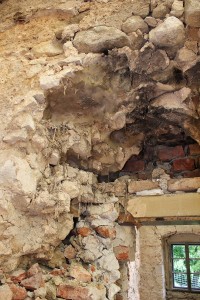 Dry rot is a condition that can affect any sort of dead wood, including the wood used to build houses. It affects the wood’s strength and durability, and if it advances far enough the wood can disintegrate completely at the slightest touch. However, despite the name, dry rot is caused by an excess of moisture. Continue reading →
This entry was posted in Basement Waterproofing on September, 12, 2015
 A tree is a fine addition to any house lot. Although they may require some care and attention while they’re young, once they reach a certain age they can take care of themselves, rain or shine, hot or cold. However, trees never really stop growing until they die, and although it’s fairly easy to trim them away from power lines and sidewalks above ground, it’s harder to stop their roots from destroying important pipes or buried power lines if they are sited incorrectly or else simply grow too large. Here are some ideas on maintaining homes with trees. Continue reading →
This entry was posted in Foundation Repair on September, 11, 2015
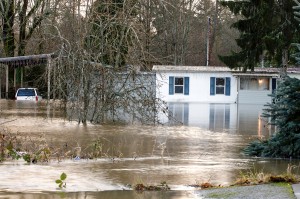 While there are a number of precautions home and building owners can take to minimize the possibility of basement floods, sometimes extraordinary circumstances may still cause just such an event to occur. An actual flood situation, an excessive snow melt, extremely heavy rains, or even a burst water pipe can overwhelm certain mechanisms designed to fend off smaller causes of flooding, leaving you with a flooded basement. If such a thing happens to you, you should be aware that you are in a potentially dangerous situation, and you should act accordingly to maximize the safety of anyone in the home or building. Here are a few of the things you should keep in mind if you encounter a flooded basement. Continue reading →
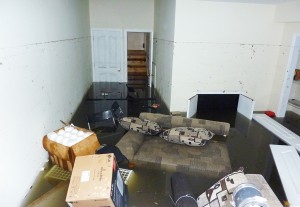 With leaky or flooded basements, the problem is easy to spot; liquid water is getting into your basement, usually through a crack in the walls and/or foundation of the building. But when a basement is damp, and there doesn’t appear to be any likely place for water to get in, how and why does this happen? And more importantly, is there anything you can do about it? Continue reading →